To Eat a God
Launching To Eat a God
Preparing the browser build...
To Eat a God




Play To Eat a God online
To Eat a God starts with a role you are not supposed to question. You guide a living puppet sent into the Garden as an offering, and the first rule is simple: act like a puppet, not like a player reaching through the screen. Press Play now in the frame above and the browser build opens on this page, letting you begin the sacrifice without a separate download step.
That setup makes To Eat a God sharper than a normal dark fantasy romance. The Garden is beautiful, controlled, and deeply unsafe. The divine Symbols may speak in riddles or affection, but they are watching for mistakes in the mask you wear. If your answers feel too aware, too curious, or too human, the story begins to look back.
What the Garden wants
The premise of To Eat a God is built around concealment. Your puppet belongs in the Garden only as long as the gods accept the performance. You read scenes, choose responses, and try to keep the character’s behavior inside the boundaries expected of a gift. The tension comes from knowing that the safest line is rarely the most honest one.
The Garden itself is not just a pretty fantasy setting. It is a ritual space created to keep order, full of Symbols tied to concepts, rules, and old damage. The game uses that structure to turn each conversation into a pressure test. A warm answer can become suspicious. A cold answer can become dangerous. A perfect answer can still reveal that someone else is moving the strings.
Unum, Septem, and Nulla
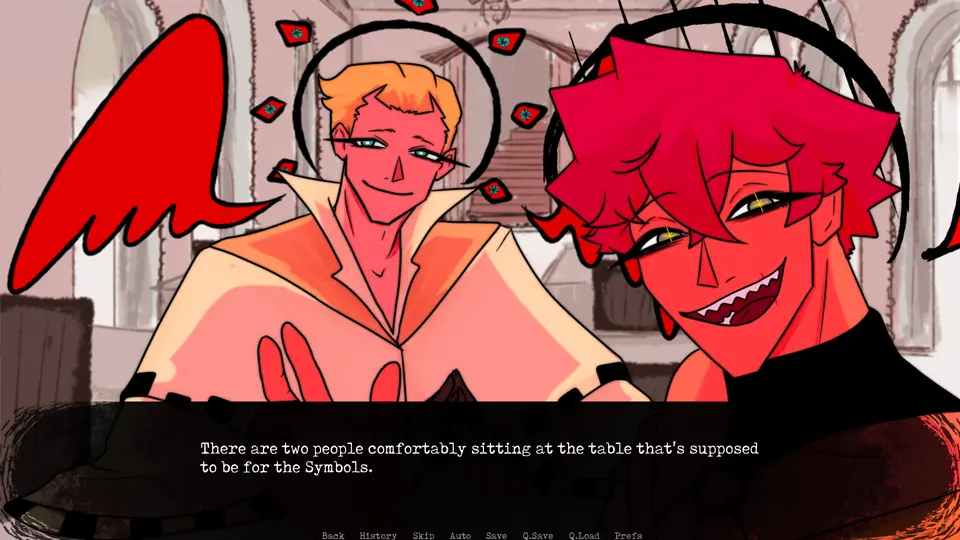
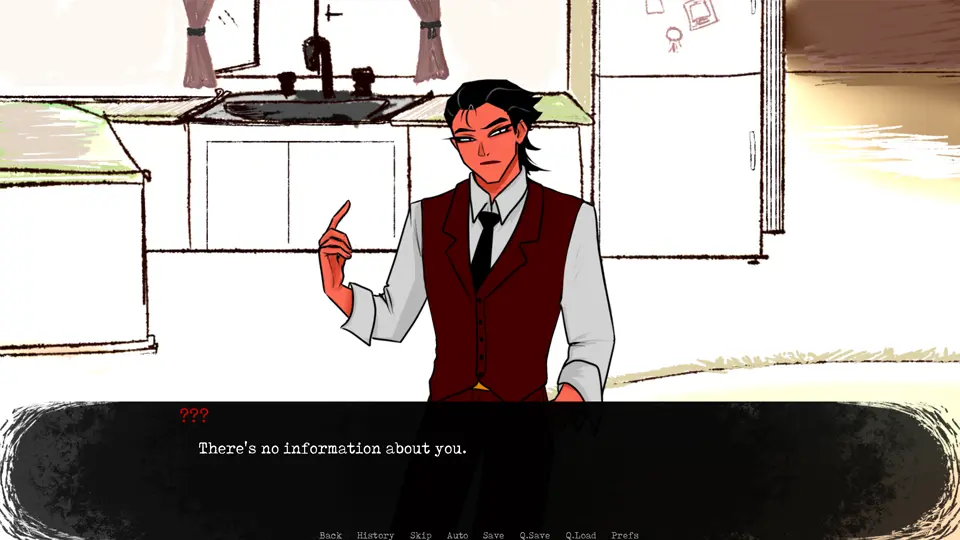
Three divine figures shape the heart of To Eat a God. Unum, the first Symbol, carries the image of the sun, but his bright energy can turn frightening when excitement becomes possession. Septem, the seventh Symbol and ruler of the Garden, gives the story a stricter kind of danger through control, authority, and sudden aggression. Nulla belongs to the void, and his route pulls hardest toward the truths the world wants hidden.
The strongest scenes happen when affection and threat occupy the same line of dialogue. These characters can be tender, funny, cruel, needy, and observant, sometimes inside a single exchange. That emotional instability is the hook. You are not only choosing a favorite route; you are deciding what kind of lie the puppet can survive.
How the visual novel plays
To Eat a God plays like a choice-driven visual novel, so the basic controls are easy: read, advance, save when the menu allows, and choose carefully when the story gives you options. The challenge is interpretation. The game rewards players who pay attention to phrasing, character mood, route context, and the difference between what the puppet says and what the player knows.
Because this visual novel uses meta storytelling, the safest strategy is not to treat choices like a simple affection checklist. Sometimes curiosity helps. Sometimes it sounds like proof that the puppet is not acting alone. If a scene feels like it is testing the fourth wall, slow down before clicking. The game is often less interested in whether you like a god than in whether a god can detect you.
Routes, endings, and replay value
The current version lists four routes, more than 80,000 words, and over 15 endings, which gives To Eat a God enough room for both romance tension and long-form mystery. A single run can feel intimate, but the larger shape only appears when you compare route outcomes, repeat suspicious scenes, and notice which details change after the Garden has already judged you once.
Replay is part of the design. To Eat a God is not only asking which ending you can reach; it is asking what you learned while reaching it. Different choices expose different pieces of the setting, the Symbols, the missing Creator, and the unsettling question inside the title. The more you replay, the more the story turns from a sacrifice tale into a struggle over who is allowed to consume whom.
Art, tone, and language support
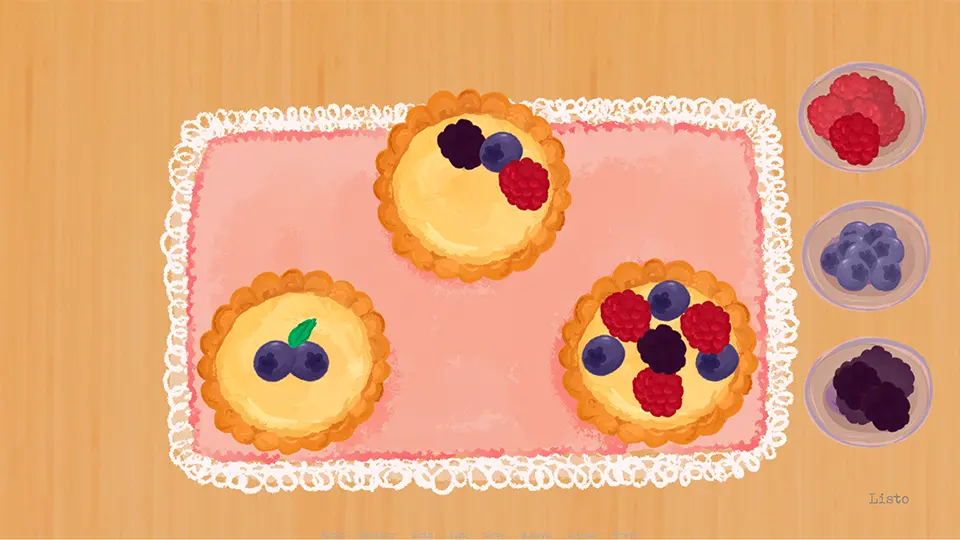
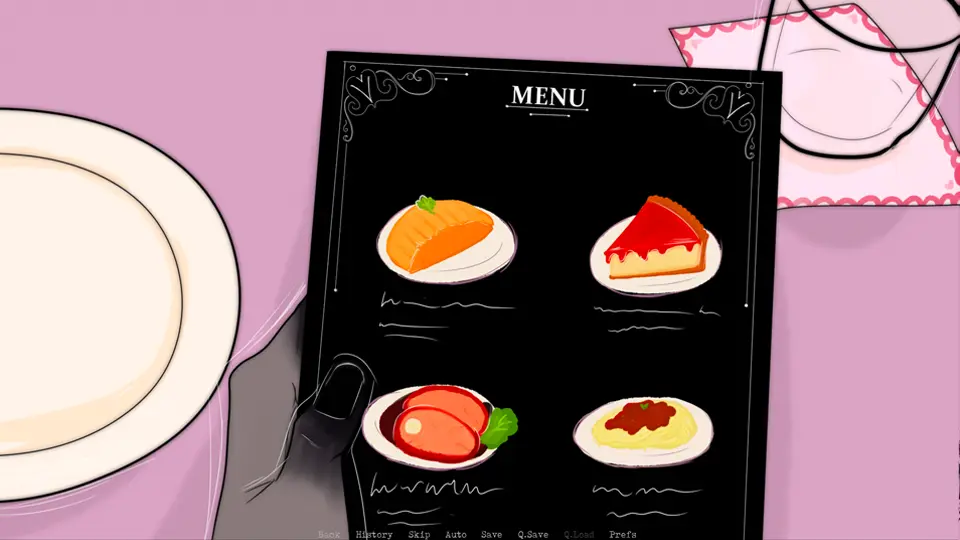
The visual style of To Eat a God mixes expressive manga-inspired character art with fantasy horror atmosphere. The project lists hundreds of CGs, character sprites, and dozens of backgrounds, so the Garden has enough visual range to move from calm intimacy to broken, hostile spaces. It looks inviting at first glance, which makes the harsher scenes land with more force.
The available language options include Spanish and English, with Chinese noted as planned. The English version is listed as machine translated and then edited, so a few lines may read unusually compared with a native-first script. Still, the strange wording can fit the mood of the game, especially in scenes where a divine character speaks as if reality itself is slightly off balance.
Browser and mobile notes
The player on this page is meant for quick browser access to To Eat a God. A desktop or laptop browser is the best fit because the interface, text, saves, and full-screen controls have more space. The original project currently does not list a dedicated mobile version, so phones may be less comfortable even when the embedded frame opens.
If the frame stalls, give it a moment before refreshing. Remote builds can take longer on the first load, and visual novels may show a dark or quiet screen while assets initialize. If text feels small, start the game first and then use the full-screen control instead of zooming the whole page.
Content warning
To Eat a God is intended for players 16+ and should not be treated as a soft romance game. Expect unhealthy relationship dynamics, harsh language, disturbing images, violence, blood, gore, death, and scenes built around control or obsession. The story can become emotionally intense because the characters do not separate affection from ownership in clean ways.
If those themes are uncomfortable, watch a video first or stop after the opening route setup. The game works because it makes the player feel watched, tempted, and cornered, but that also means this visual novel is best played when you are ready for darker material.
Page note
This is an unofficial browser-play page for To Eat a God. The embedded game, title, characters, artwork, routes, and story belong to Soffis_mbm and the original project team. This page is only here to make To Eat a God easier to launch, revisit, screenshot, and share from one place while keeping practical notes, media, and basic troubleshooting together.
To Eat a God Screenshots
To Eat a God Videos
To Eat a God FAQ
Can I play To Eat a God online here?
Yes. Press Play in the browser player and To Eat a God loads on this page. If the frame is slow or blank, wait a few seconds, refresh once, or try full screen after the player starts.
What kind of game is To Eat a God?
To Eat a God is a dark meta visual novel with dating-sim tension, fantasy horror, route choices, and self-aware characters who question the role you are trying to perform.
Who are the main characters in To Eat a God?
The central divine figures are Unum, the sun-like first Symbol; Septem, the controlling ruler of the Garden; and Nulla, a void figure tied to the truth behind the world.
How long does To Eat a God take?
The current project is listed around 4 to 6 hours, depending on reading speed, route order, and how much time you spend replaying choices for different endings.
How many endings does To Eat a God have?
The game lists more than 15 possible endings, with multiple routes and more content planned as development continues.
Is To Eat a God suitable for everyone?
No. To Eat a God is intended for players ages 16+ and includes unhealthy relationships, harsh language, disturbing themes and imagery, violence, blood, gore, and death.